Is Dr. Ryu a board-certified plastic surgeon?
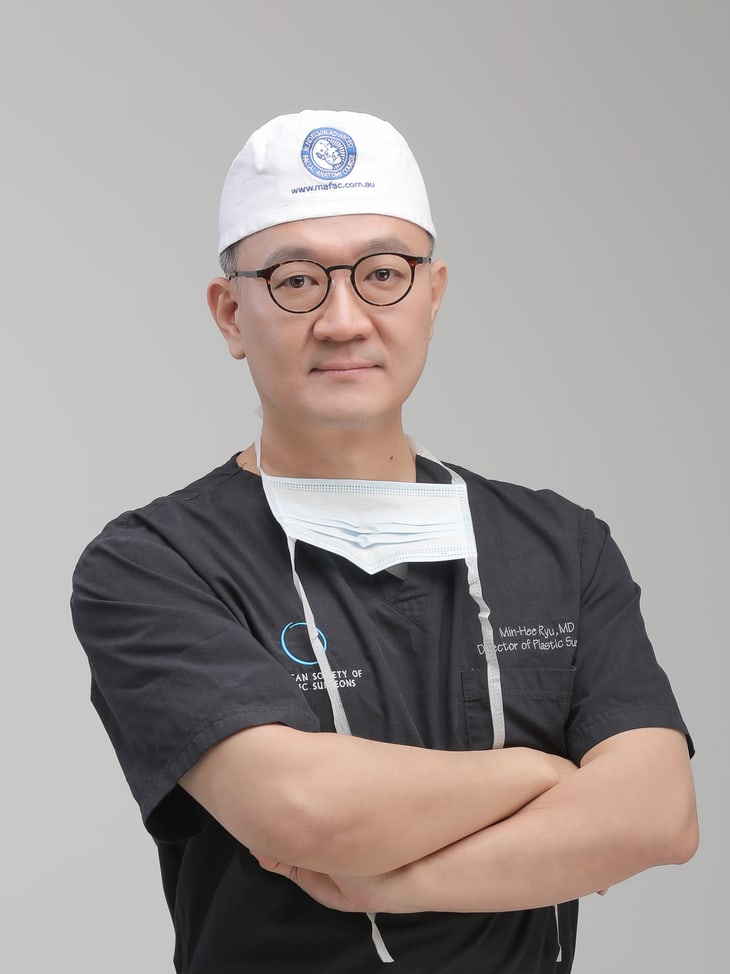
Yes. Dr. Min-Hee Ryu is a board-certified plastic surgeon in the Republic of Korea, certified in 2008, specialist certificate no. 1496. His medical licence, no. 80903, was registered with the Ministry of Health and Welfare on 8 March 2003. Plastic Surgery is a recognised specialty; there is no separate board certification in facelift surgery, so no surgeon anywhere holds one.
Who will perform my surgery at RNWOOD?
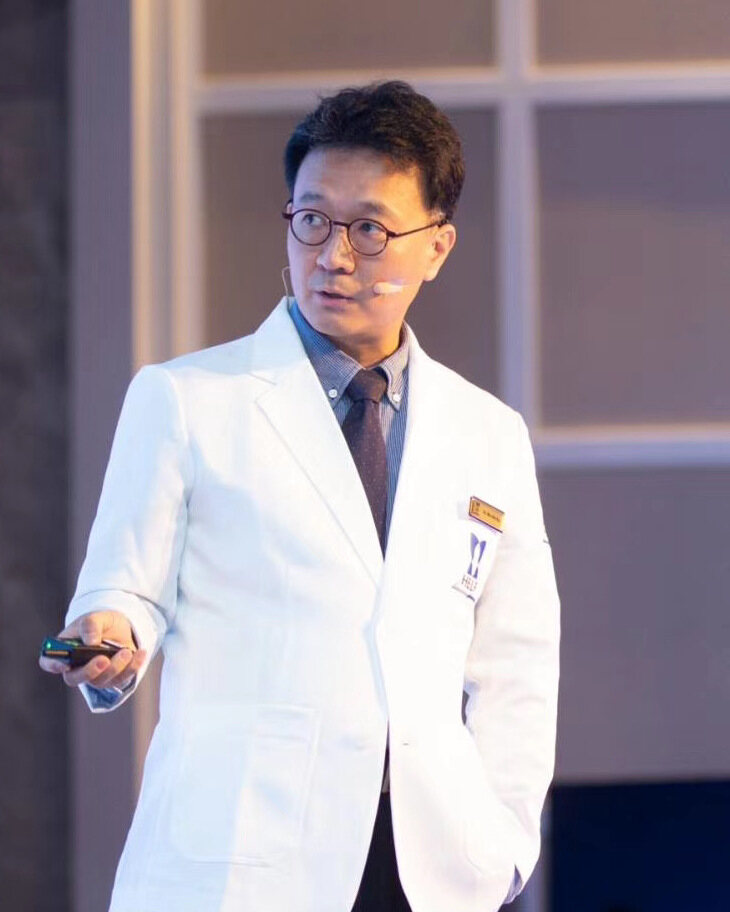
Dr. Ryu. He is the only surgeon at RNWOOD, and he carries out the consultation, the operation and the daily post-operative checks himself.
Why does RNWOOD schedule only one facelift a day?
One facelift is scheduled per day. There is no second operating list and no second surgeon, so every stage of that day belongs to one patient, from the consultation through the operation to the post-operative review.
Which societies is Dr. Ryu a member of, and what positions does he hold?
He is an Active Member of The Korean Society of Plastic and Reconstructive Surgeons (KSPRS) and of the International Society of Aesthetic Plastic Surgery (ISAPS), which he joined in June 2012, and an International Active Member of The American Society of Plastic Surgeons (ASPS) and The American Society for Aesthetic Plastic Surgery (ASAPS). He currently serves on the Educational Council of ISAPS, 2024 to present, and on the Academic Committee of KSPRS, 2019 to present.
Does Dr. Ryu teach other surgeons?
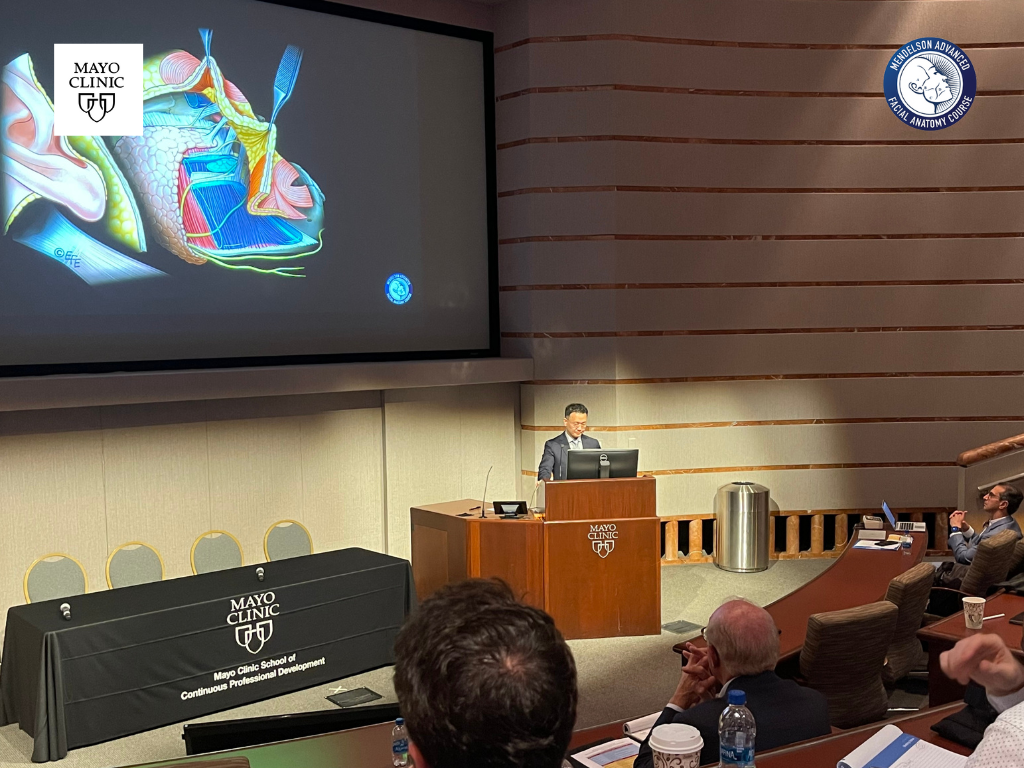
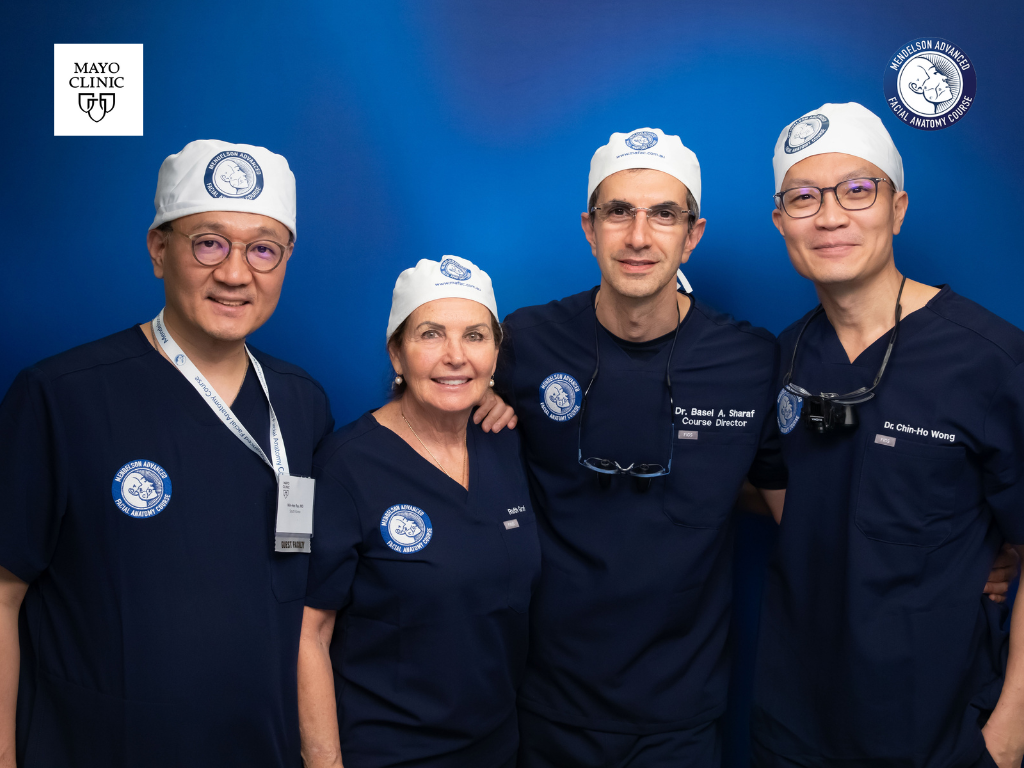
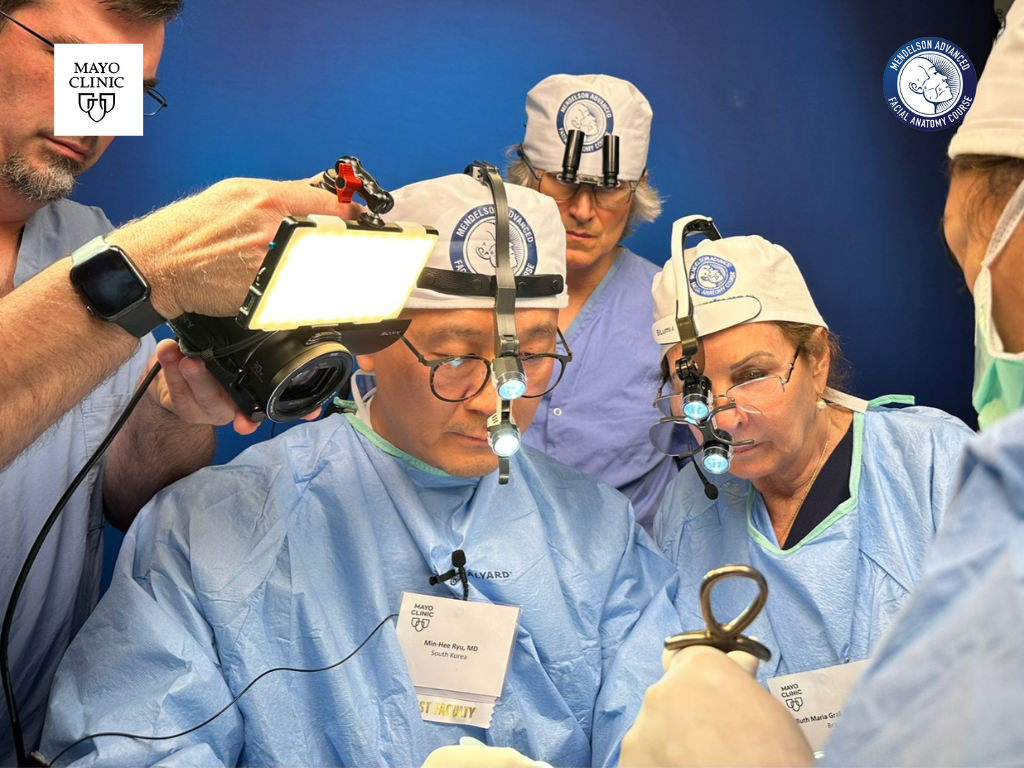
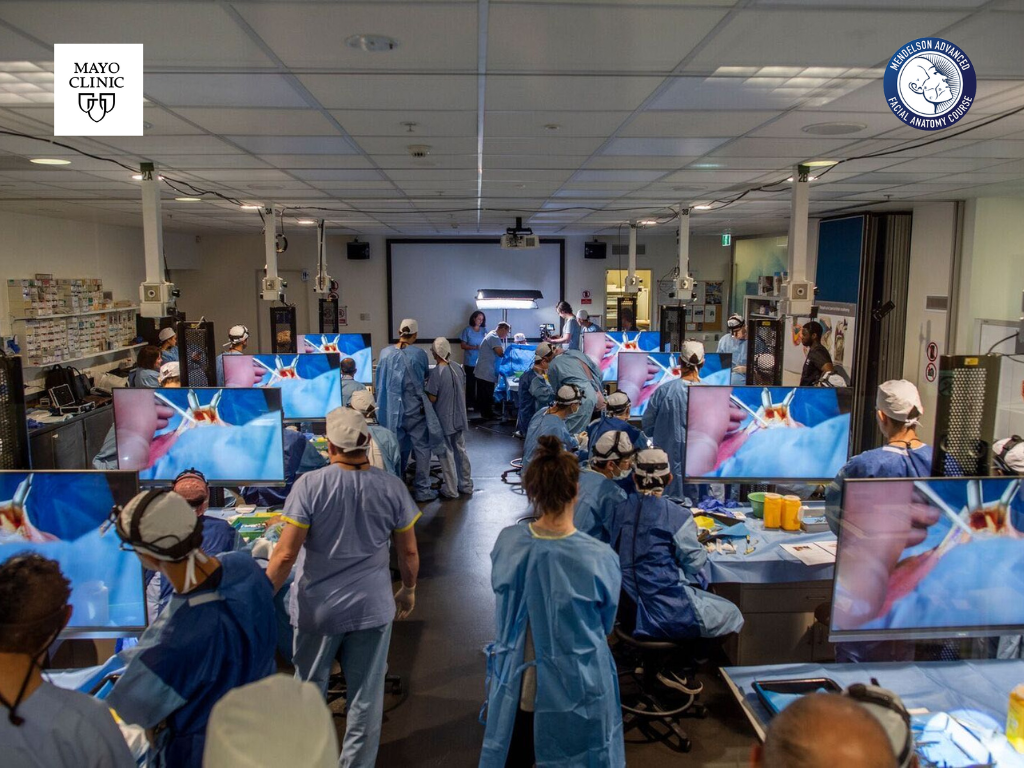
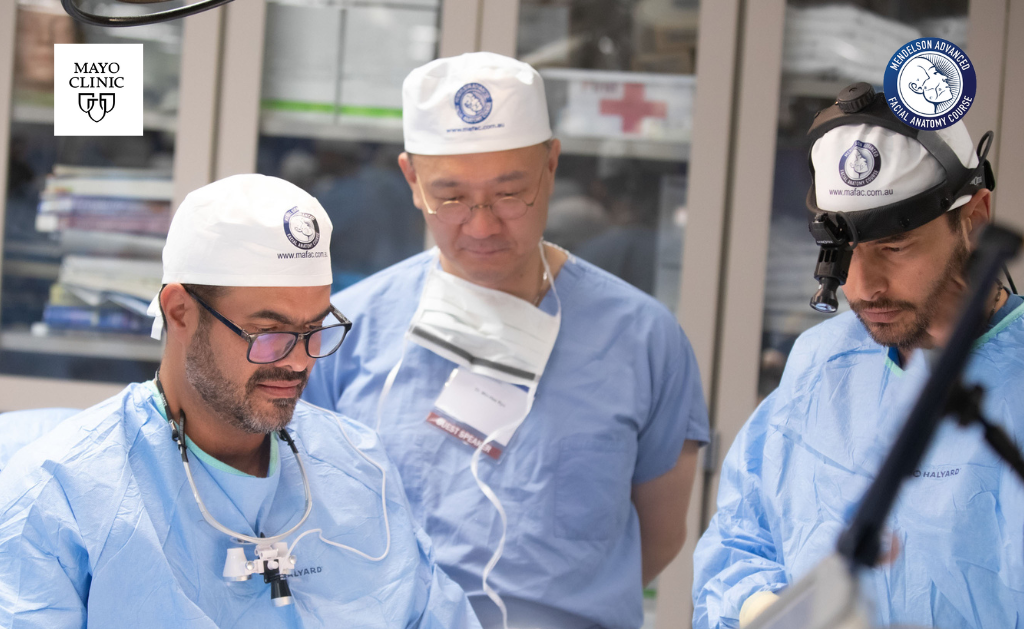
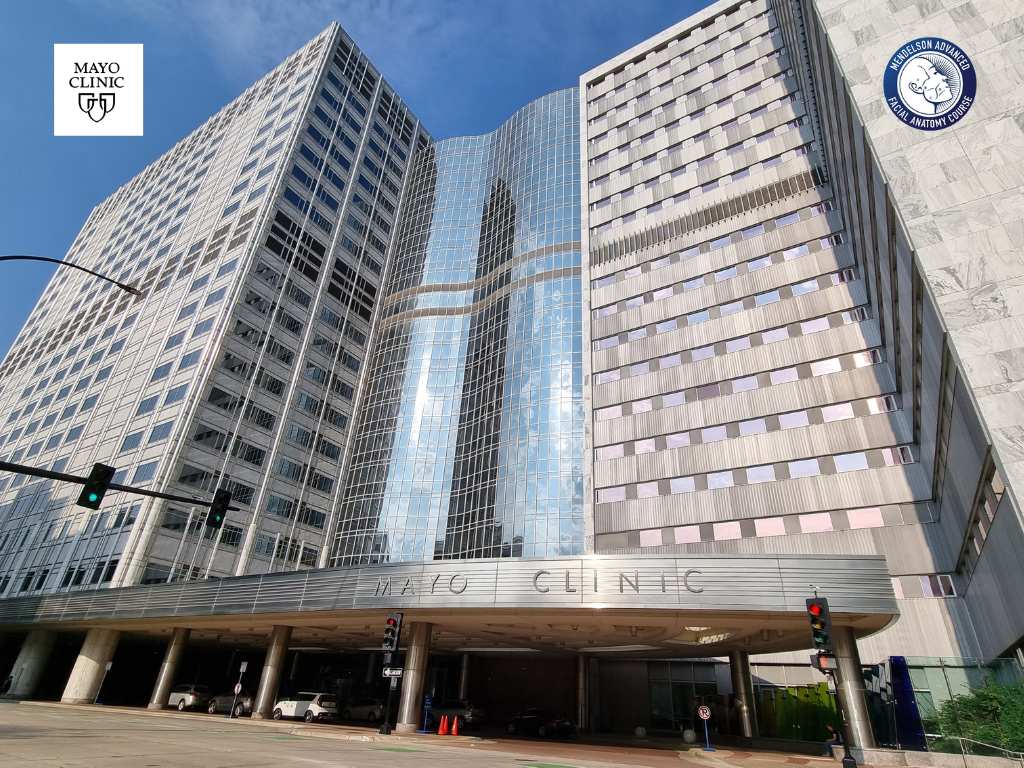
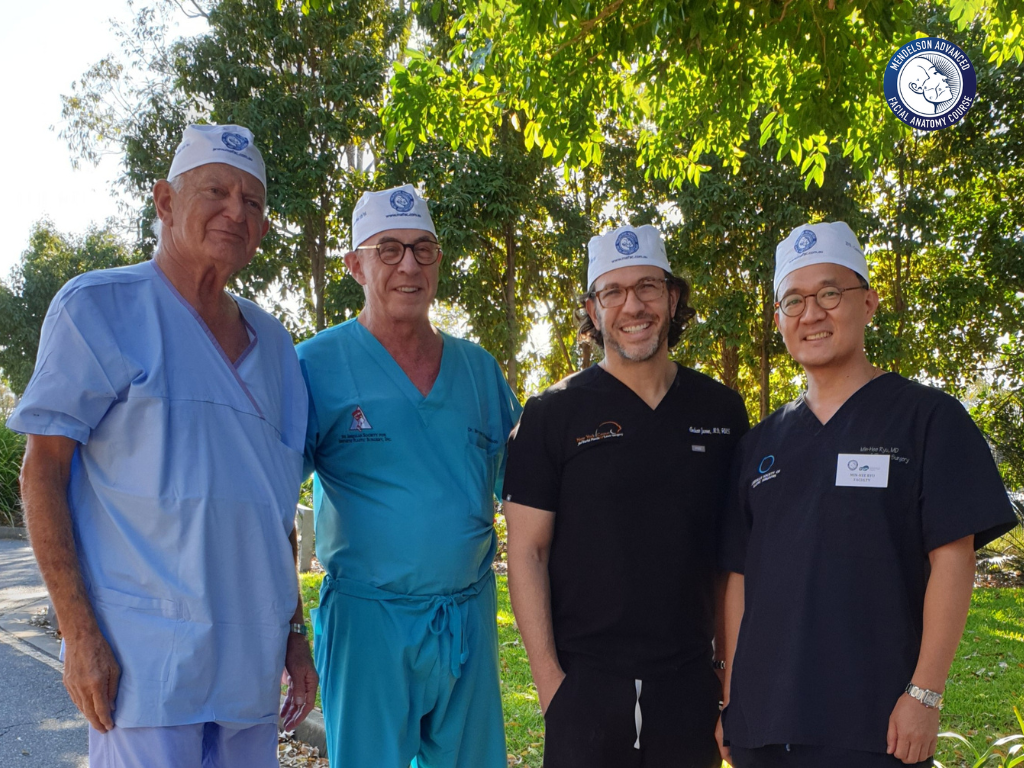
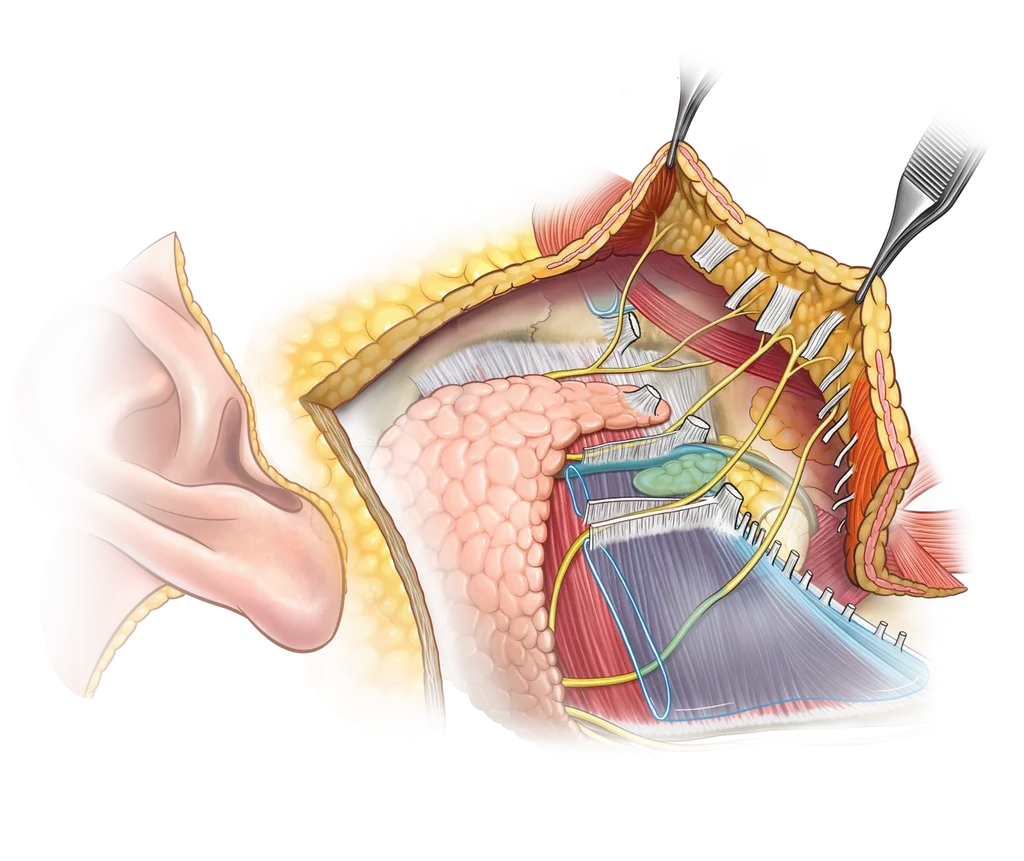
Yes. He has been a Faculty Member of the Mendelson Advanced Facial Anatomy Course (MAFAC) since 2016, teaching deep-plane dissection in hands-on cadaver workshops. Since 2023 he has taken part as guest faculty in the Mendelson DEEP PLANE FACELIFT and Mayo Clinic Aesthetic Facial Contouring Hands-on Surgical Skills course held at Mayo Clinic, Rochester.
Is Dr. Ryu involved in academic publishing?
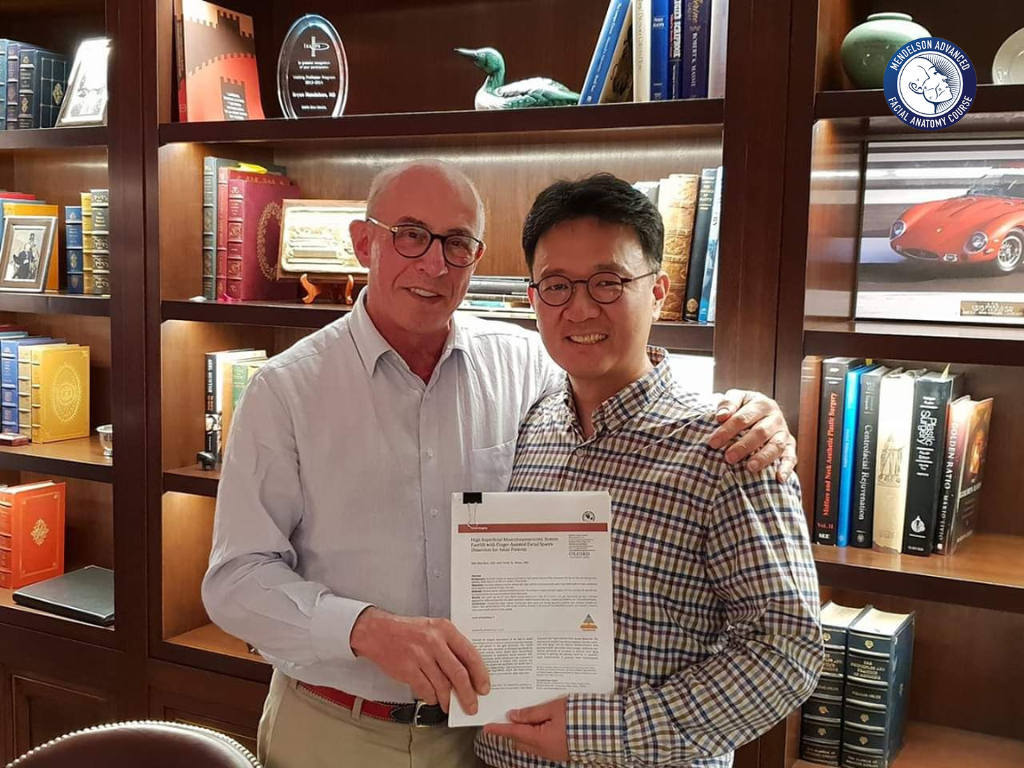
He has served on the Editorial Board of Aesthetic Plastic Surgery Journal (SCI) since 2019, and he has published seven peer-reviewed papers on facelift anatomy and technique between 2014 and 2018. The full list, with journal names and years, is set out in the Peer-Reviewed Publications section of this page.
How long has Dr. Ryu been lecturing internationally, and where?
He began presenting at Plastic Surgery congresses in 2005. Since then he has lectured and demonstrated surgery in Korea, the United States, Australia, Brazil, Singapore, Japan, China, Taiwan, Indonesia, the Philippines, the Netherlands and Malaysia, on facelift, High SMAS facelift, DEEP PLANE FACELIFT, facial surgical anatomy and facial rejuvenation.
What roles does Dr. Ryu take at congresses and cadaver workshops?
Depending on the meeting or teaching programme, he has been invited as Invited Lecturer, Oral Presenter, Panel Speaker, Faculty, Cadaver Workshop Faculty, Live Surgery Demonstrator and Instructional Course Lecturer. The record year by year from 2005 can be opened in the Lectures and Invited Faculty section of this page.
Does Dr. Ryu ever advise against surgery?
Yes. Where sagging is limited and skin elasticity is still sufficient, he does not recommend a DEEP PLANE FACELIFT. He assesses the actual degree of soft-tissue descent, the facial structure, previous operations and procedures, and the area the patient wants changed, rather than age on its own. Where the change a patient hopes for is not something a facelift can address, or where the burden of surgery would outweigh what it can achieve, he says so at the consultation.
What does Dr. Ryu tell patients a facelift cannot do?
A facelift repositions tissue that has descended. It cannot stop aging or guarantee a specific appearance, symmetry, or result duration. No result, scar quality, symmetry, duration, complication-free recovery, or freedom from revision surgery can be guaranteed. Every surgical procedure carries the possibility of side effects and complications, and individual outcomes and recovery vary.
Does Dr. Ryu perform revision facelift surgery?
Yes. Sagging is caused by repetitive habitual movement, so it recurs over the years, and patients with renewed sagging symptoms may be eligible for a secondary facelift. Dr. Ryu explains at the consultation that a revision is harder to predict than a first operation, because adhesions and scar tissue, the state of the skin and the SMAS, and the extent of the previous dissection all affect what can safely be corrected. Where a facelift has been carried out recently he does not operate again until the tissue has recovered, generally allowing at least six months before reassessing. Individual outcomes and recovery vary.
Who gives the anaesthesia during surgery?
Surgery is carried out mainly under sedation, with an anaesthesiologist working alongside the surgical team, and RNWOOD is extending this to a resident arrangement. Blood pressure, heart rate and oxygen saturation are monitored throughout the operation.
What happens immediately after the operation, and who looks after me?
You rest in the recovery room for three to four hours, and most patients are discharged the same day; an overnight stay can be arranged on request. Over the following days you are seen daily — hyperbaric oxygen therapy and Healite LED therapy on days one to seven, shampoo services on days one, three and five, and stitches removed on day six or seven. Dr. Ryu reviews you himself at those visits. A stay of seven to ten days in Korea is recommended, and recovery varies from person to person.
What should I send before a consultation with Dr. Ryu?
Send front and side photographs taken without make-up or coloured lenses, together with your surgical and medical history, to
consult@rnwoodseoul.com. Dr. Ryu reviews them before your visit. The email stage covers estimated pricing, the arrangements for your in-person consultation, deposit information and the general test list; final pricing follows his manual assessment in person.
What languages can I have my consultation in?
Consultations are held in person at the clinic in Gangnam, Seoul. English, Chinese, Japanese and Indonesian speaking consultants are available, and Korean is spoken in the clinic. After surgery a WhatsApp group chat is used for follow-up questions and for scheduling your next appointment.